
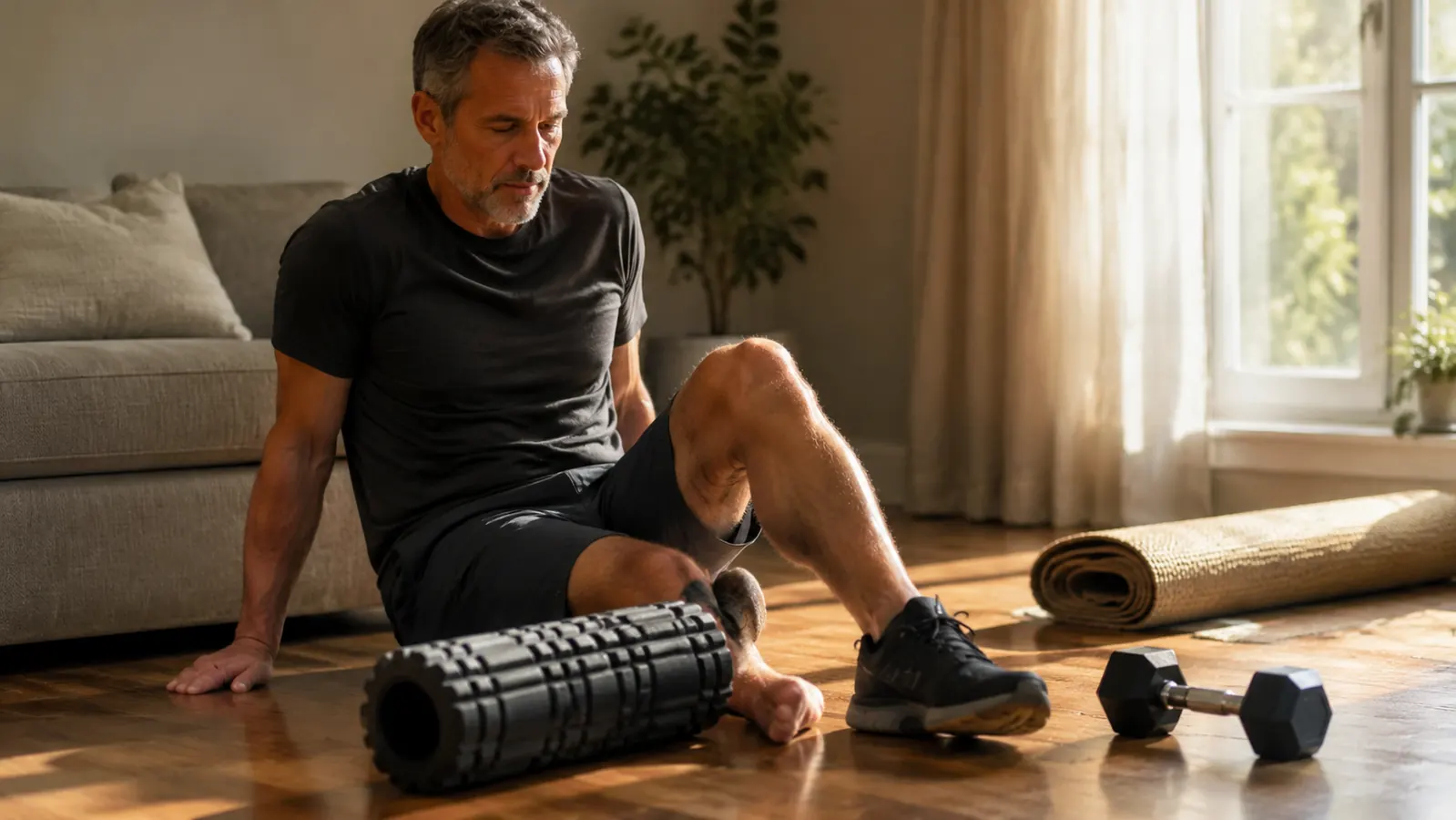
Every foam roller review you read tells you the same story. The writer was in pain. They bought a roller. They rolled on it. Now their life is transformed. The formula is so predictable that I started noticing I could guess the arc of the article after reading the first sentence. This review is going to be different because the product itself is more complicated than most reviews let on. The TriggerPoint Grid 1.0 is a well-made tool that does some things brilliantly, some things just okay, and a few things worse than a basic cheap roller. The honest answer to whether it is worth the premium price depends entirely on what you are asking it to do.
I bought mine seven months ago after my old smooth roller went flat. I was hoping the Grid would be the upgrade I needed. In some ways it was. In others it was not. And those limitations are the parts that most reviews gloss over or skip entirely. Let me walk you through what I actually found, not what I expected to find.
The Quick Verdict
The TriggerPoint Grid is the best foam roller I have owned for upper back release and it is built to last. But the multi-density surface is not universally better than a smooth roller, and the price is hard to defend if you only roll your legs or if you are still figuring out whether foam rolling fits into your routine.
Amazon Check Today's Price →See the TriggerPoint Grid 1.0 at Today's Price on Amazon
I have owned mine for seven months and it still looks and feels like new. Check the current price to see if it fits your budget.
Amazon Check Today's Price on Amazon →How I Used It
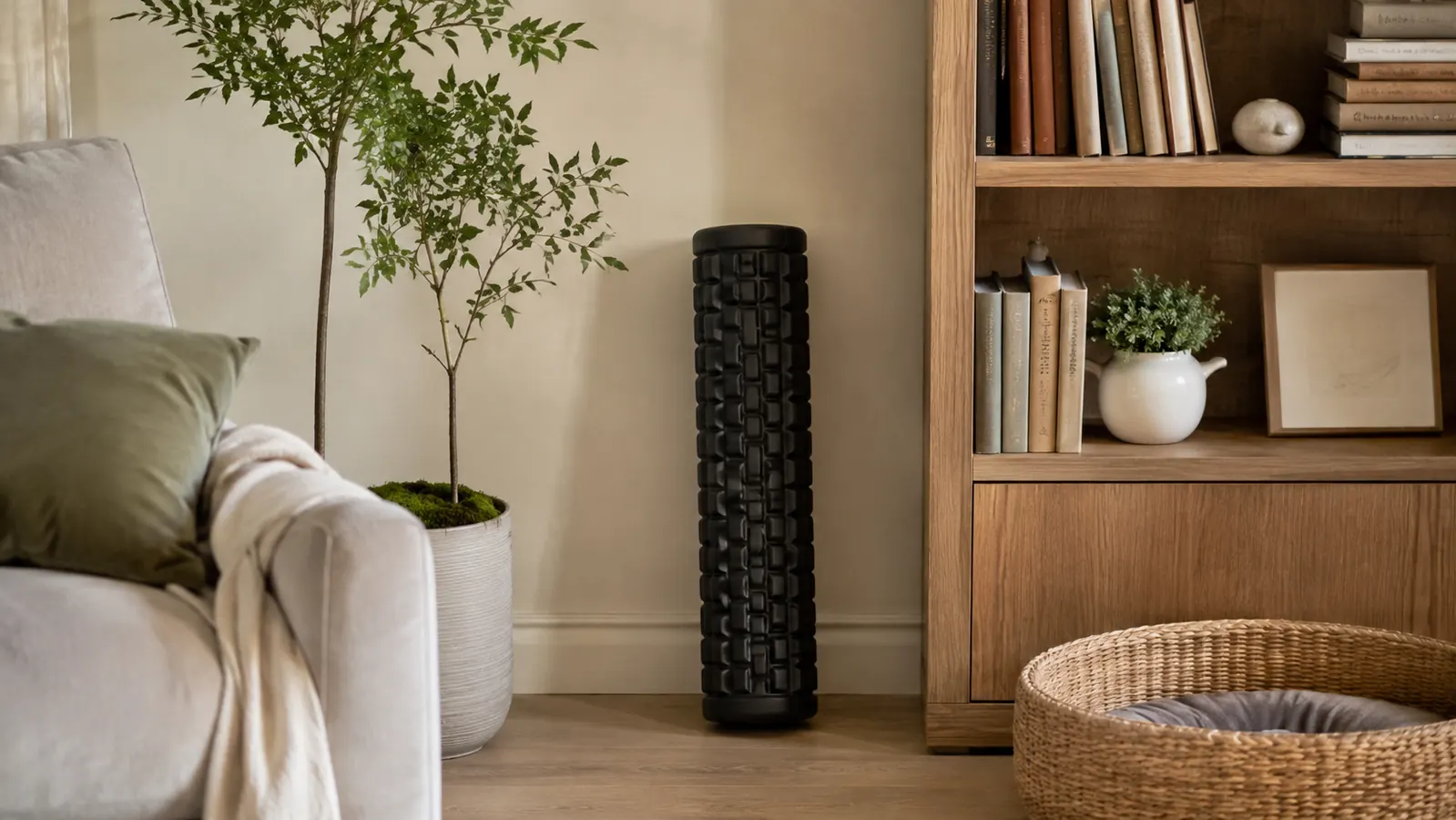
I exercise at home every day in my living room. Bodyweight squats, pushups, resistance band rows, planks, lunges. I do not have a home gym. I have a patch of floor between the couch and the TV. The TriggerPoint Grid lives in a basket next to my exercise mat and comes out every evening after my workout. I also use it in the morning some days when my back feels tight from a bad night of sleep. My wife has a condition that means I am up multiple times per night to help her, so good sleep is hit or miss. The morning roll helps me start the day without looking like I slept on a park bench.
I have used this roller on every major muscle group multiple times a week for seven months. That gives me a pretty good sense of where the Grid shines and where it does not. I track nothing formally. I just pay attention to how my body feels before and after. The differences across muscle groups are consistent enough that I am confident saying the Grid is not a one-size-fits-all upgrade. It is a specific tool for specific jobs.
My daily routine is simple. Evening roll for about ten minutes. I hit my upper back first because that is my tightest area. Then glutes, then hamstrings, then calves if I have time. I do not follow a video or a plan. I just roll until the tight spots let up. Some nights that takes five minutes. Some nights it takes fifteen. The roller does not care.
What Nobody Tells You About the Grid Surface
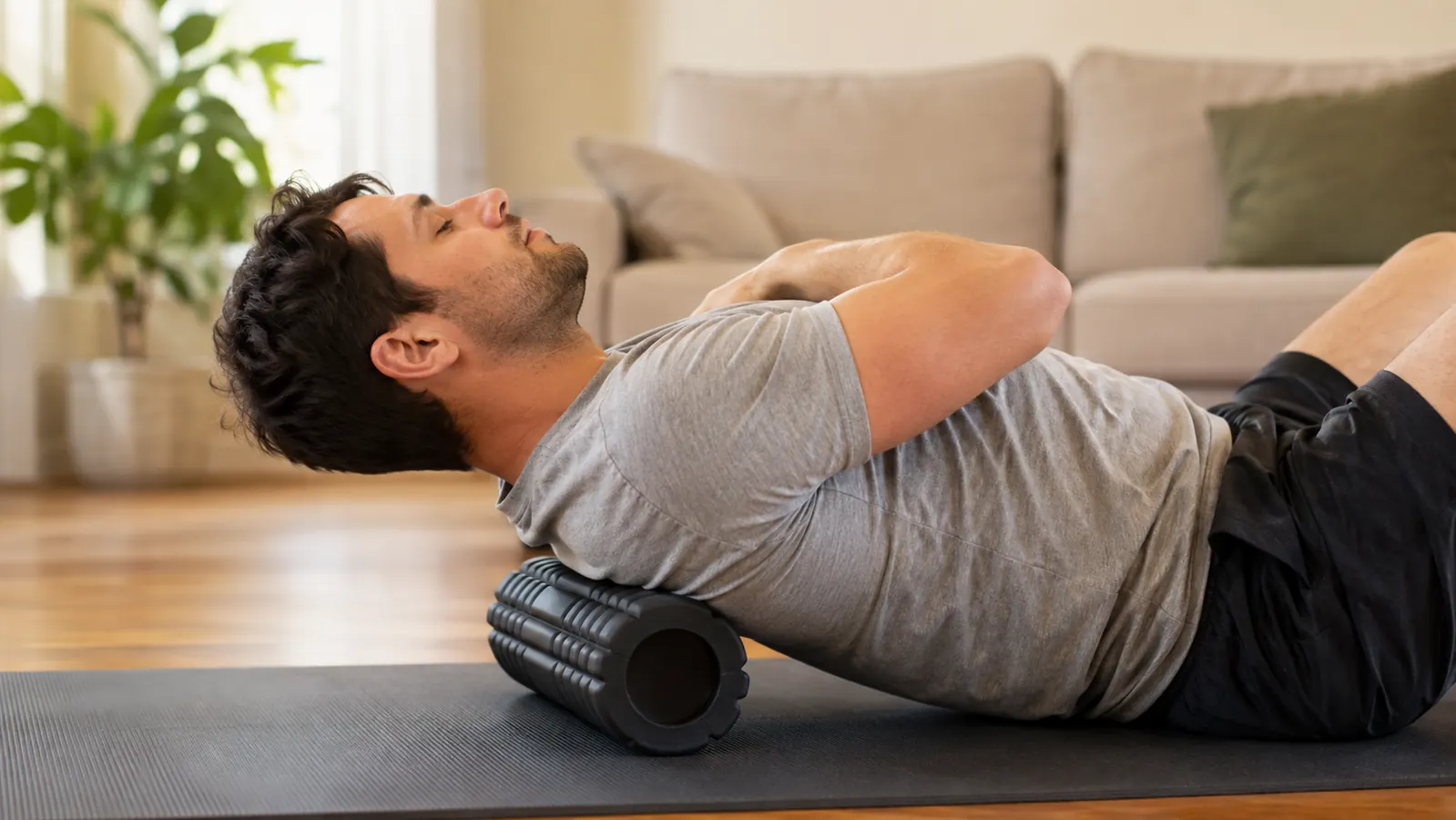
The marketing makes it sound like the multi-density grid is superior in every way. The reality is more nuanced. The Grid has ridges that press hard into muscle tissue and channels that relieve pressure on bones. That design is genuinely brilliant for the upper back. You can position the roller so the ridges dig into the muscles alongside your spine while the channels float over the vertebrae themselves. I cannot overstate how much better this feels than a smooth roller, which either misses the muscle or crunches your spine depending on how you position it.
But on other body parts, the alternating pressure is not an improvement. On my quads, I find the ridges create unpredictable points of contact that make it hard to maintain consistent pressure. I have to adjust my position constantly to keep the roller hitting where I want. A smooth roller applies even pressure across the whole quad and I can just lean into it and hold. The same goes for hamstrings. The ridges grab and release in a way that feels less controlled than a uniform surface. I have ended up using a cheap smooth roller for my legs more often than the Grid because it is simply more comfortable and more predictable.
Here is what I wish someone had told me before I bought it. The Grid is a specialized tool for upper back and glute release, wrapped in marketing that presents it as a universal upgrade. If you mainly need upper back work, it is worth every penny. If you mainly roll your legs, a smooth density roller will serve you better for less money. Most reviews do not make this distinction because most reviews are written after using the product a few times on one or two body parts.
The Real Cost of the Grid
The price is the elephant in the room. The TriggerPoint Grid costs more than a basic roller at the time I am writing this. A basic smooth foam roller costs a fraction of the Grid's price. A higher quality smooth roller from a brand like ProSourceFit costs somewhere in the middle. The Grid is two to three times more expensive depending on what you compare it to. When people ask me if it is worth the extra money, I cannot give a simple yes or no because the answer depends on what you would use it for.
If you are buying your first foam roller, or if you are not sure whether foam rolling will become a daily habit for you, buy the cheap one. Do not overspend on a piece of equipment you might use twice and shove under the bed. If you have been rolling for a while with a smooth roller and you find yourself wanting deeper pressure on your upper back and shoulders without going to a massage therapist, then the Grid is worth the upgrade. The extra cost buys you a specific design feature that solves a specific problem. If that problem is not your problem, the extra cost is wasted.
The flip side is that the Grid will outlast a cheap roller by years. My cheap roller started softening within three months and was flat at six. The Grid shows zero signs of compression after seven months. If you amortize the cost over a few years, the price difference shrinks to almost nothing. But that logic only holds if you actually use it for years. And most people do not use a foam roller consistently for years. That is the honest truth.
What I Learned About Durability
The Grid is built from a closed-cell EVA foam that does not compress, does not absorb sweat, and does not develop odors. After seven months of nearly daily use, mine looks and performs like it did on day one. No dents. No soft spots. No peeling. No smell. I weigh about 175 pounds and I put my full weight on it regularly. It has not flinched.
The one durability issue I did not expect is cosmetic. The grid pattern collects dust and cat hair in its channels and I find myself wiping it down with a damp cloth every week or so. It takes about thirty seconds and does not affect performance at all. But it is a minor annoyance I did not have with my smooth roller. I mention it because it is one of those details that nobody mentions in reviews but that you notice when you live with the product.
I have also used the Grid on my hardwood floor, on a rug, and on a thick exercise mat. It performs well on all three surfaces. On hardwood it tends to slide a bit during use, so I prefer to use it on the mat for stability. The surface texture of the Grid provides good grip against my skin and clothing, so the roller stays put against my body even when I am putting pressure through it. That matters more than I expected. My old smooth roller would occasionally slip out from under me mid-roll, which is jarring and annoying.
The Grid has also held up through a house move and a month of daily use on a concrete-slab floor, which is harder on any roller than people think. The surface has not flattened, the channels between the grid sections are still crisp, and it still rolls straight when I line it up on the floor. Cheap rollers I have owned went soft and wobbly in half that time, which is the quiet reason the higher price does not feel wasted.
One thing I want to be fair about is that the durability matters less if you only plan to use a roller once or twice a week. The Grid is built for someone who is going to put real miles on it. If that is not you, you can spend less and be fine. For me, rolling has become as routine as brushing my teeth, so a tool that does not break down under daily use is worth it.
The Foam Roller as a Foot Massager
One surprise. The Grid is excellent for foot massage. Standing on the roller with one foot and rolling the arch over the grid pattern hits different parts of my foot with varying pressure. It feels like a reflexology session. I did not buy it for this purpose but it has become one of my favorite uses. After a long day of standing while cooking or doing chores, five minutes of foot rolling on the Grid relaxes my whole body. I did not expect this benefit and I would not have known to look for it in any review.
I also use the Grid on my wife's shoulders when they get tight from sitting in her wheelchair all day. The 13-inch length is actually an advantage here because I can hold it with one hand and apply light to moderate pressure without the other end hitting the floor or furniture. A longer roller would be unwieldy for this use. The grid pattern lets me apply deep pressure on the muscle and ease off when I hit her shoulder blade. She tells me it helps more than the massager we used to keep around.
What I Liked
- Multi-density surface is genuinely excellent for upper back and shoulder release
- Exceptional durability with no compression, odor, or damage after seven months of daily use
- Closed-cell foam does not absorb sweat like cheaper rollers
- Compact 13-inch size stores easily and works well for one-handed use on others
- Textured surface grips skin and clothing during use without slipping
- Excellent as a foot massage roller
Where It Falls Short
- Three times the price of a basic foam roller that works fine for most people
- Grid pattern is less comfortable and less effective on legs than a smooth roller
- Short length limits full-back rolling and some stability exercises
- Collects dust and pet hair in the grid channels
- Not a beginner-friendly tool. The firm pressure can be too intense for new users
The Grid is a specialized tool for upper back release wrapped in marketing that presents it as a universal upgrade. If you mainly roll your upper back, it is worth every penny. If you roll your legs, a smooth roller is a better choice for less money.
Who This Is For
You are the right person for the TriggerPoint Grid if you already foam roll regularly and you find yourself wanting deeper pressure on your upper back and shoulders. The grid pattern solves a real problem that a smooth roller creates: either you do not get enough pressure on the muscle or you get too much on the bone. The Grid splits the difference by putting pressure where you want it and relieving it where you do not. That is a genuine engineering solution, not marketing fluff.
You are also a good fit if you want a foam roller that will not wear out. The durability of this thing is impressive and if you amortize the cost over three or four years it ends up cheaper than replacing cheap rollers every six months. And if you share your space with pets or people who need help with mobility, the compact 13-inch size makes it easy to store and easy to use one-handed on someone else. Those are the practical reasons I still reach for the Grid every day.
Who Should Skip It
Skip the TriggerPoint Grid if you are new to foam rolling. Get a cheap smooth roller first and use it for a few months. If you stick with it and find yourself wanting more targeted pressure on your back, then upgrade. Do not spend premium money on something you might not use. Foam rolling is not for everyone. Some people try it and decide it is not for them. That is normal. Do not overspend finding that out.
Also skip it if your main need is leg recovery. I have said this a few times in this review because I want it to land. The Grid is not the best tool for quads, hamstrings, or calves. A basic high-density smooth roller will serve you better on your legs and cost half as much. And if you are a heavy lifter doing barbell squats and deadlifts, you may need a longer roller or a different recovery tool altogether. I covered this in my comparison of foam rollers versus massage guns if you are trying to decide between those two paths.
The Honest Take on the TriggerPoint Grid
It is the best upper back roller I have owned and it will last years. But it is not the best tool for every body part and it costs more than most alternatives. If you know what you need it for, it delivers. Check today's price on Amazon to see where it lands.
Amazon Check Today's Price on Amazon →