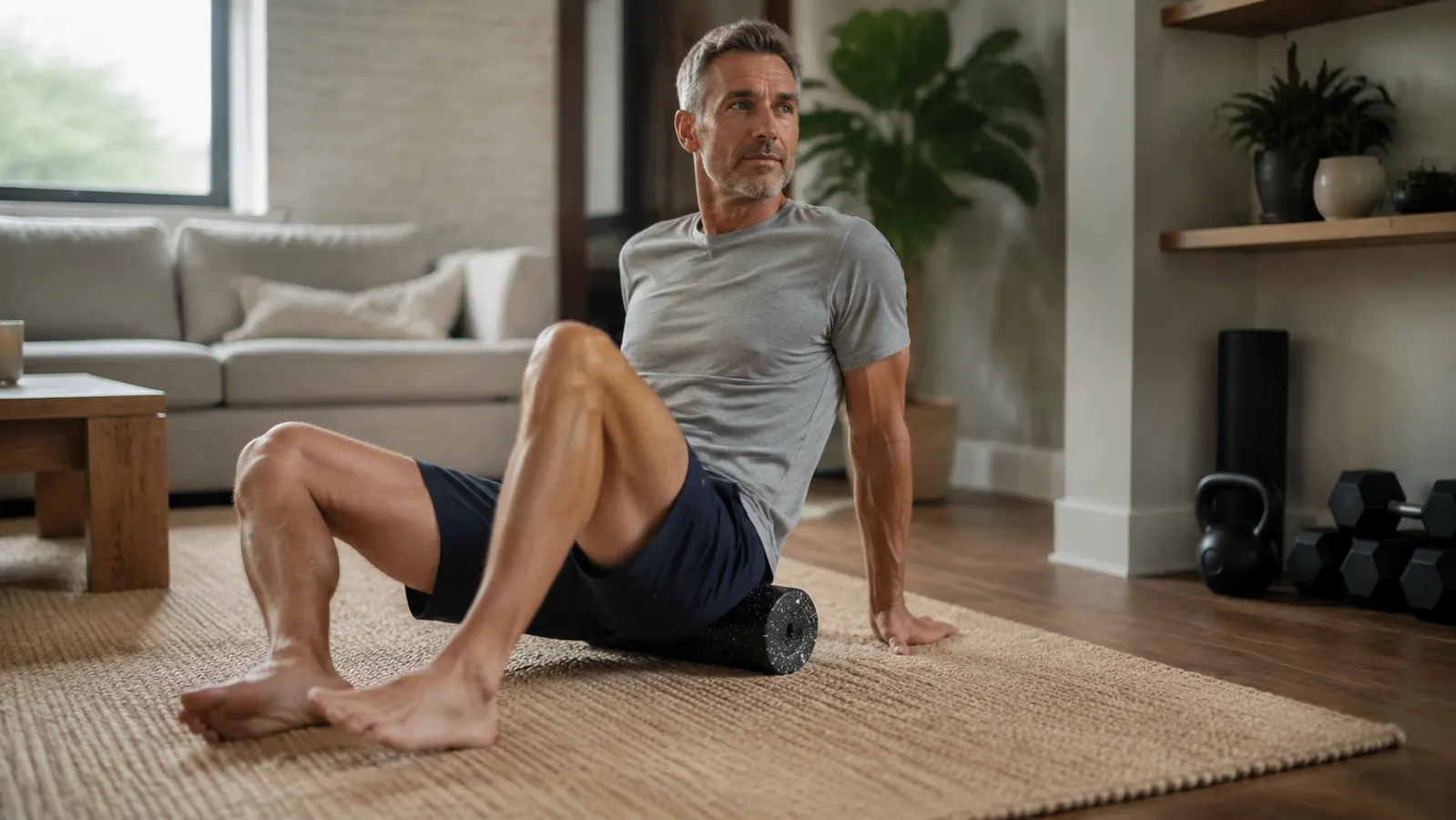
I bought my first foam roller because my lower back was telling me things a doctor's visit would cost more to hear. I had been doing bodyweight squats and pushups in the living room for a few months, getting back into consistent exercise after years of letting it slide. The workouts felt good. The recovery did not. My lower back would lock up by evening. My hips clicked when I stood up from the couch. I figured I needed a massage gun and started shopping -- and the name-brand ones cost more than I was willing to spend. Then a friend who runs marathons told me to try a foam roller first. "It hurts better," he said. He was right.
I picked up the TriggerPoint Grid foam roller , and it has been on my living room floor every day since. Here are ten reasons it deserves a spot in your home gym too.
The budget recovery tool that earns its spot in any home gym
The TriggerPoint Grid foam roller gives you real myofascial release without the price tag or the noise of a massage gun. It is quiet, it stores anywhere, and your body will thank you the morning after you use it.
Amazon Check Today's Price on Amazon →It costs a fraction of what a massage gun costs
A decent percussion massage gun runs several hundred. The TriggerPoint foam roller costs a fraction of that and does 80 percent of the same job. For lower back tightness -- the kind you get from a day of lifting and bending as a caretaker -- the foam roller actually works better because it covers a broader area at once. You lean into it and let your body weight do the work. No batteries to charge, no attachment heads to swap, no charging dock on your nightstand. Just pressure where you need it.
You can use it while sitting with your wife
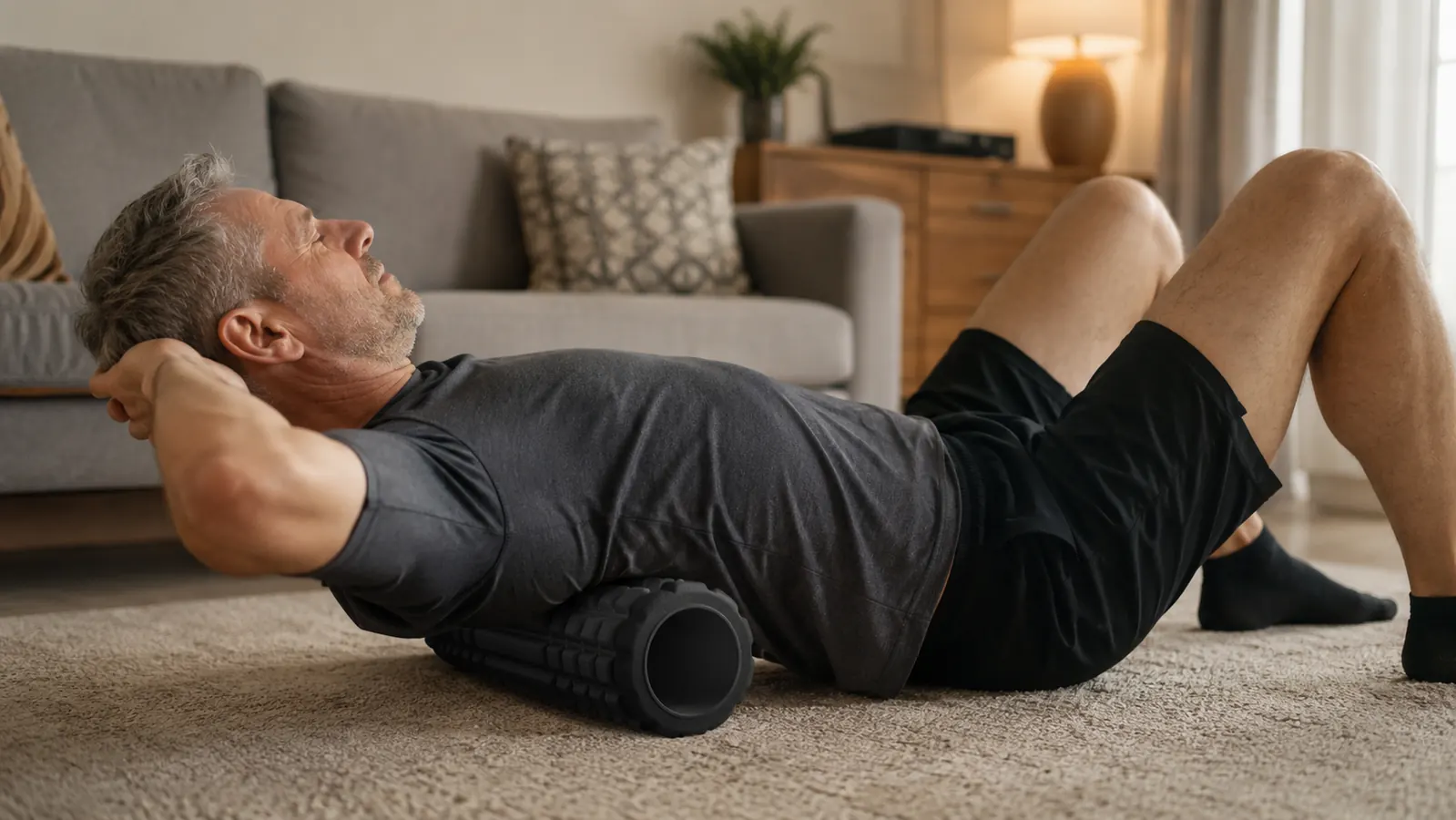
I do most of my foam rolling in the living room while my wife and I watch a movie in the evening. I keep the TriggerPoint roller next to the couch. During a slow scene I lean over and work my quads or glutes. It is quiet, it does not interrupt the conversation, and rolling itself is almost meditative after a long day. A massage gun would put everyone on edge with the buzzing. This just sits there until you need it.
It hits the spots where caretakers carry the most tension
Lower back. Upper traps. Hip flexors from sitting. These are the areas that get tightest when you spend your day lifting, transferring, and bending to help someone. A foam roller lets you lay right on those spots and breathe into the release. The TriggerPoint Grid has a multi-density surface -- firm ridges for deep tissue work and smoother channels for blood flow -- so you get both intensity and circulation in one tool.
No batteries, no charging, no noise
This is the reason I keep coming back to. The foam roller just sits there. You do not plug it in, you do not pair it with an app, you do not charge it overnight. When you need it, you pick it up and use it. When you are done, you put it back. That simplicity matters when your day is already full of appointments, medications, and schedules. One less thing that needs a USB cable.
It stores in places a massage gun never fits
The TriggerPoint Grid is 13 inches long. It slides behind my dresser, stands in the corner behind the bedroom door, or lays on its side under the couch. I have three spots in the house where I can stash it within arm's reach of wherever I happen to be. A massage gun has a case, and the case lives on a shelf, and by the time you get it down and find the right head and realize the battery is dead, the moment is gone.
The Grid surface works like a masseuse's hands
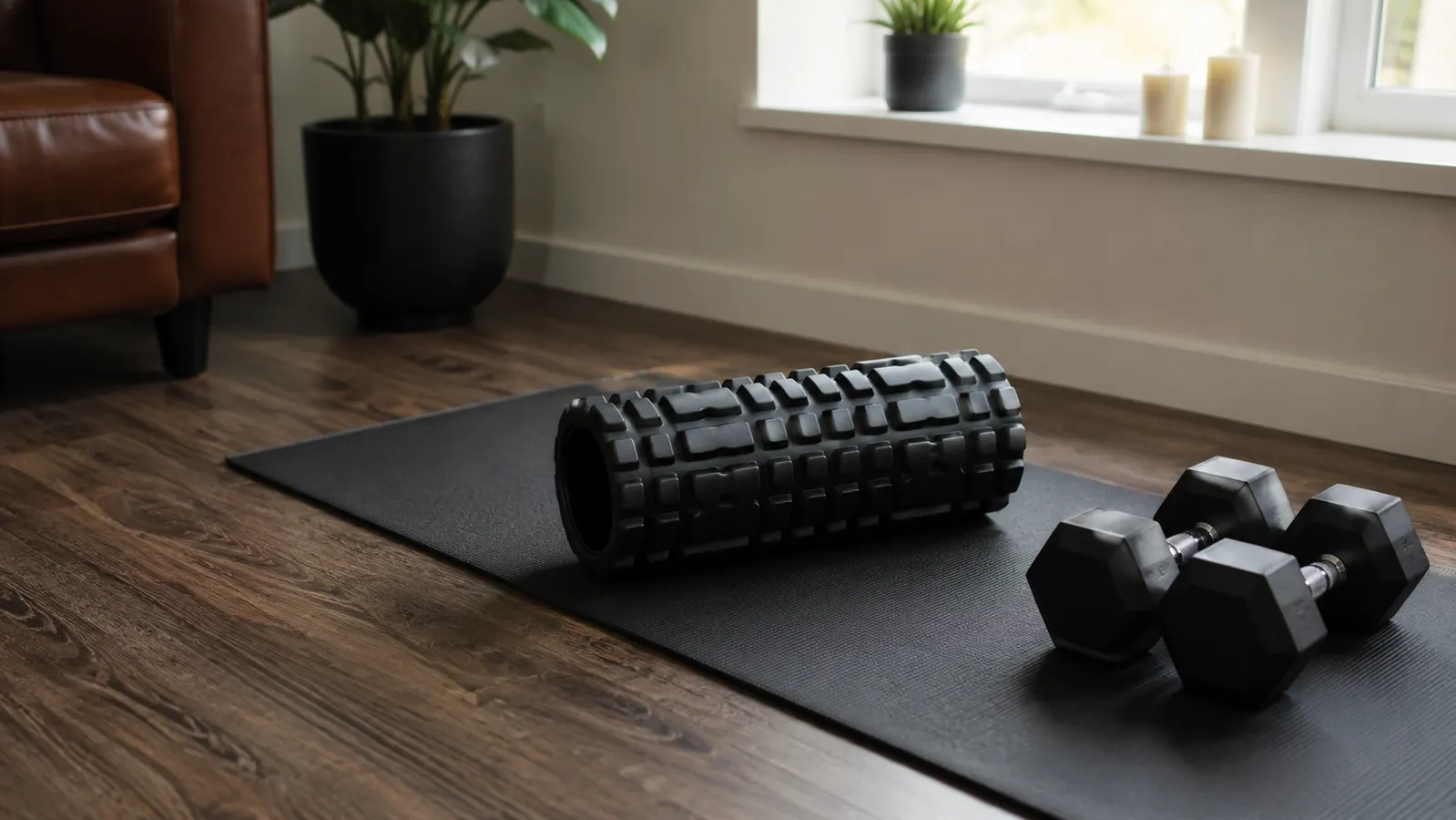
A basic smooth foam roller is just a cylinder. It applies even pressure everywhere and feels like rolling on a pool noodle. The TriggerPoint Grid has a textured pattern that mimics the compression and release of a real massage. The firm outer ridges dig into the fascia; the inner channels let blood flow back in. That alternating pressure is what breaks up knots, not just rolling back and forth on a flat surface.
It warms up muscles before a workout and recovers after
I use the foam roller on both sides of my workout. Before: a quick two minutes on my quads, hamstrings, and upper back to get blood moving. After: a slower, deeper roll to push out the soreness. That alone makes it worth having in the home gym. It is the only piece of equipment I own that I use for both warmup and recovery, and I use it every single day for one or the other.
You cannot hurt yourself with a foam roller
With a massage gun it is easy to overdo it. The percussive force goes deep even on low settings, and you can bruise yourself if you park it on a knot too long. A foam roller is self-limiting. When you hit a tender spot you breathe and relax into it. The pressure is whatever your body weight decides it is. You cannot crank it up too high or hold it in one place too long because your own body tells you to adjust. That natural feedback keeps you safe.
It teaches you where you actually hold tension
Before I started foam rolling I did not know my right hip was tighter than my left. I did not know my thoracic spine was stiff from hunching over a laptop. Foam rolling reveals asymmetries. One leg feels fine and the other lights up. That awareness changes how you move during your actual workout. You start noticing your posture. You start correcting imbalances. The roller becomes a diagnostic tool as much as a recovery one.
It gives you the kind of release you would never pay for
A professional sports massage is expensive by the hour. I have had exactly two in my life and they were great. But I cannot justify that expense regularly on my budget. The TriggerPoint foam roller was a one-time buy, and I have used it hundreds of times. The release after a good roll session -- the feeling of your spine lengthening and your shoulders dropping -- is as close to a real massage as I have found without leaving my living room.
What I Would Skip
If you have a specific injury or chronic pain condition, see a physical therapist before you start foam rolling. The roller is fantastic for maintenance and everyday tightness, but it is not a substitute for medical advice. I would also skip it if you absolutely need deep spot treatment on a single trigger point the size of a quarter -- a lacrosse ball or a massage gun is better for that one focused point. And if a hard textured surface makes you flinch, start with a smooth dense roller instead of the Grid. The Grid is effective but it does not mess around.
I have three spots in the house where I can stash it within arm's reach of wherever I happen to be.
Your back will thank you tomorrow morning
The TriggerPoint Grid foam roller is one purchase you will use more days than you skip. It stores anywhere, needs nothing from you, and delivers real recovery for the muscles you use every day just living your life.
Amazon Check Today's Price on Amazon →